

 Rachael Parnell
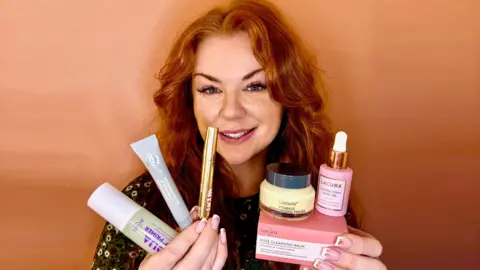
When a consumer found out a supermarket was launching a fresh beauty line that looked similar to offerings from luxury brand Augustinus Bader, she was "super excited".
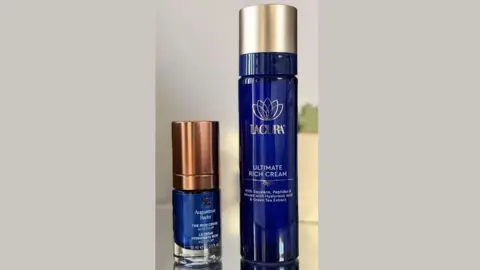
She dashed to her closest store to buy the Lacura face cream for under £9 for 50ml - a small portion of the £240 cost of the luxury brand 50ml item.
Its streamlined blue container and gold cap of each items look noticeably comparable. While she has not tested the luxury cream, she says she's satisfied by the product so far.
Rachael has been buying lookalike products from mainstream retailers and grocery stores for years, and she's part of a trend.
More than a quarter of UK shoppers state they've tried a skincare or makeup dupe. This rises to nearly half among younger adults, according to a recent poll.
Dupes are skincare products that mimic well-known brands and offer budget-friendly alternatives to luxury products. These products typically have comparable branding and containers, but occasionally the ingredients can differ substantially.
 Victoria Woollaston
'Costly Is Not Necessarily Superior'
Beauty professionals say many alternatives to high-end labels are decent quality and help make beauty routines more affordable.
"I don't think higher-priced is always superior," states dermatology expert one expert. "Not all budget beauty label is inferior - and not every premium beauty item is the best."
"Some [dupes] are absolutely impressive," notes a podcast host, who presents a podcast with famous people.
Numerous of the products based on luxury brands "disappear so fast, it's just crazy," he observes.
 Scott McGlynn
Aesthetic and dermatology doctor another professional argues alternatives are suitable to use for "basic skincare" like hydrators and face washes.
"These products will do the job," he says. "They will handle the basics to a reasonable degree."
Another skin doctor, thinks you can save money when searching for single-ingredient products like hyaluronic acid, niacinamide and a moisturizing ingredient.
"When you're purchasing a single-ingredient item then you're probably going to be fine in opting for a budget alternative or something which is quite inexpensive because there's very little that can be problematic," she says.
'Do Not Be Swayed by the Box'
However the specialists also recommend buyers check details and note that higher-priced items are occasionally worth the premium price.
Regarding luxury beauty products, you're not only covering the brand and marketing - often the elevated price tag also is due to the formula and their grade, the potency of the key component, the technology employed to create the product, and trials into the products' efficacy, the expert notes.
Beauty expert another professional suggests it's important questioning how certain dupes can be sold so cheaply.
Occasionally, she believes they might contain filler ingredients that do not provide as significant advantages for the skin, or the materials might not be as well sourced.
"The major question mark is 'Why is it so low-priced?'" she remarks.
Podcast host McGlynn notes on occasion he's bought skincare items that look comparable to a established brand but the item has "no connection to the original".
"Don't be fooled by the packaging," he added.
 SimpleImages/Getty Images
Regarding more complicated products or those with ingredients that can irritate the skin if they're not created accurately, such as retinoids or vitamin C, Dr Bhate suggests using research-backed brands.
She explains these probably have been through expensive studies to evaluate how successful they are.
Beauty items are required to be tested before they can be available in the UK, says consultant dermatologist Emma Wedgeworth.
If the label makes claims about the performance of the product, it requires research to verify it, "but the manufacturer doesn't always have to do the testing" and can instead cite evidence completed by other firms, she adds.
Examine the Back of the Pack
Is there any ingredients that could indicate a item is inferior?
Components on the back of the container are ordered by quantity. "The baddies that you want to be wary of… is your petroleum-derived oil, your sodium lauryl sulfate, parfum, benzoyl peroxide" being {high up
